Welcome to AI. Now what do we do about homework?

There’s no doubt in my mind that artificial intelligence is a godsend for teachers. If you’ve taken the time to learn a bit about how it works, which is nothing magical, its limitations, errors, and biases, as well as the ethics of its use, you already have a solid foundation for using it critically and effectively. If, on top of that, you’ve spent a few hours interacting with it and have training in pedagogy and curriculum design (which, if you’re a teacher, you should have), it becomes a fantastic tool to help you (yes, I said help you, not do the work for you) set learning objectives, define assessment criteria, and plan activities. It will also be very useful for creating resources, scaffolding, and assessment tools, as well as for making adaptations for students with diverse characteristics or functional diversity.

But when we talk about students’ use of it, things change. There’s a lot that could be said, but in this article I’d like to focus on just one specific point: homework.

Continue reading “Welcome to AI. Now what do we do about homework?”

Text documents to consult on screen?

It is strange how we are evolving, but, deep down, we are people of habits and it is difficult for us to change. Why do we do things in a certain way? Often simply out of habit. And because of the change in mentality that we should make in order to do them differently.

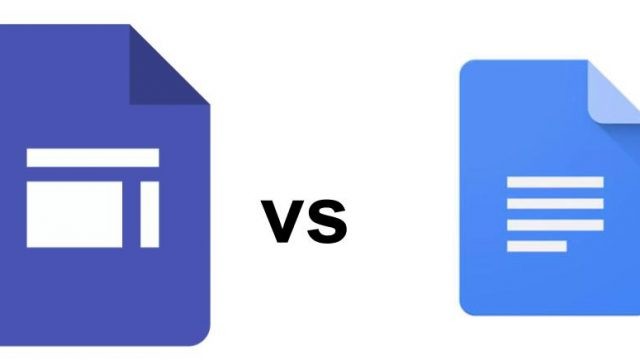
Despite this very philosophical introduction, I would like to talk about a very simple, concrete and everyday issue: text documents. Consider Word, Google documents or PDF.

Continue reading “Text documents to consult on screen?”

Should we take into account attitudinal aspects when grading?

A few weeks ago I published the article Qualifying at the end of a formative evaluation, which was the continuation of another article Assses without qualifying: my experience. I received quite a few comments and we had some very interesting discussions on twitter. And I think that, based on all that, it might be interesting to explain why I firmly believe that it is not convenient to take into account attitude aspects when grading a subject.

Continue reading “Should we take into account attitudinal aspects when grading?”

Grading at the end of a formative assessment

A few months ago I wrote an article explaining how I try to evaluate students throughout the term without grading.

Asses without grades: my experience

I received a lot of comments and some of them asked me for a second part. This is all very well, they said, but at some point or another you have to grade. This article will try to focus on this second part: after a whole term doing formative assessment, how do I grade?

Continue reading “Grading at the end of a formative assessment”

Let’s talk about smartphone, families, teenagers and school

I often make dynamics with the students to deal with issues of digital competence, especially issues of security, responsibility, image, etc. Last week we played 3rd of ESO and talked about the excessive use of screens. They themselves were aware and, specifically, 75% believed that it would be advisable to reduce the use.

What surprised me most was the answer to the question, “Do you have or have you had any parental control applications installed?”

Continue reading “Let’s talk about smartphone, families, teenagers and school”